
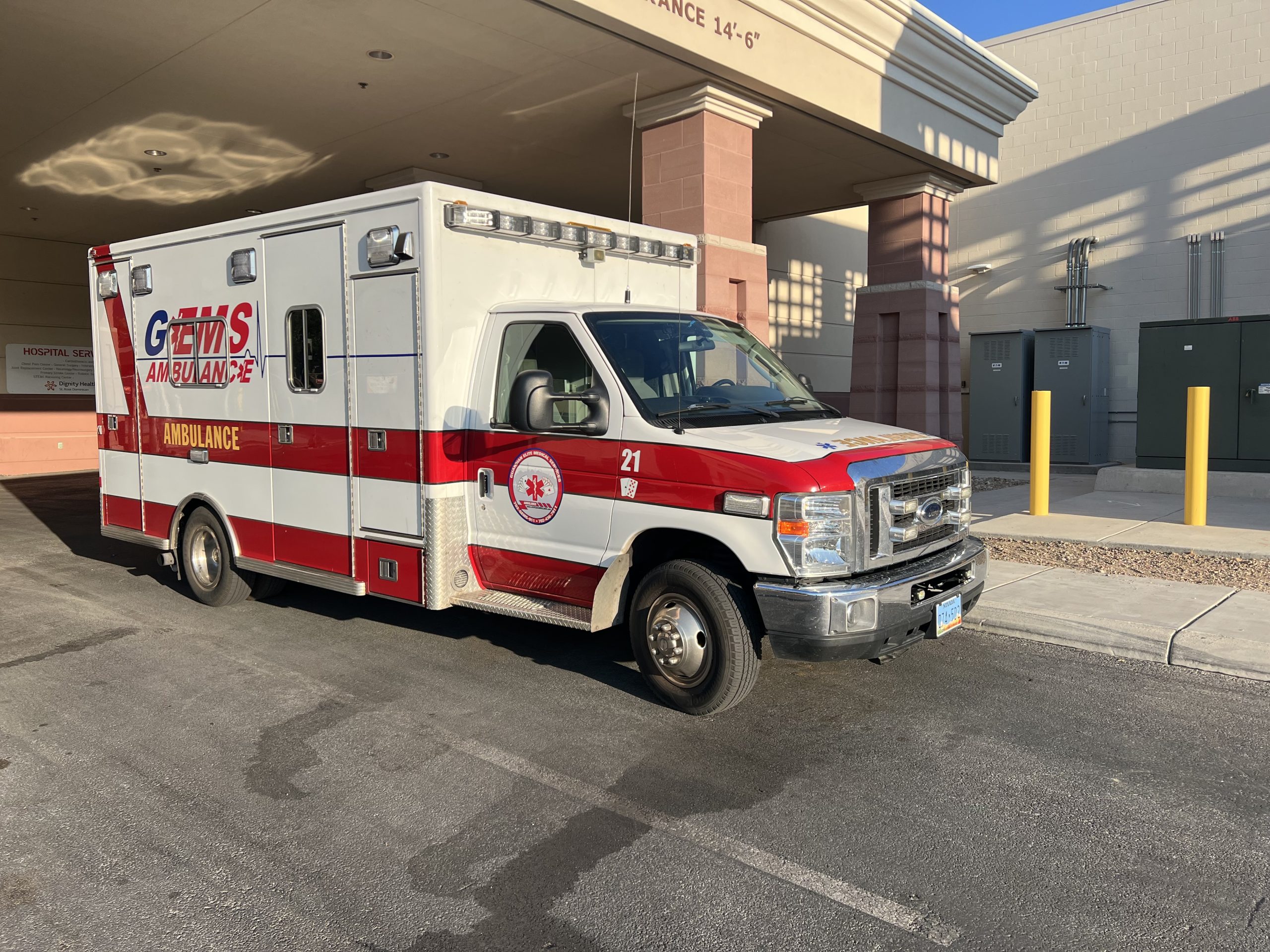
When Does Medicare Cover Ambulance Transportation for Dialysis?
For many patients with End-Stage Renal Disease (ESRD), dialysis is a life-sustaining treatment that cannot be missed. While transportation to and from dialysis is often routine, one of the biggest misconceptions is that Medicare automatically pays for an ambulance simply because a patient is going to dialysis. Unfortunately, that is not how Medicare works.
Understanding when Medicare will—and will not—cover ambulance transportation can help patients, caregivers, and healthcare providers avoid unexpected bills and ensure the appropriate level of transportation is arranged.
Does Medicare Cover Ambulance Transportation to Dialysis?
The answer is yes—but only in limited circumstances.
Medicare Part B may cover non-emergency ambulance transportation to and from a dialysis facility when the patient’s medical condition makes transportation by any other means unsafe. The destination alone (a dialysis center) does not qualify the transport for coverage. The patient’s medical necessity determines whether Medicare will reimburse the ambulance provider.
In other words, simply needing dialysis three times a week does not automatically justify ambulance transportation.
Medical Necessity Is the Key
Medicare’s ambulance benefit is based on one simple question:
Would transporting the patient by wheelchair van, private vehicle, or another form of transportation endanger the patient’s health?
If the answer is yes, ambulance transportation may be covered.
Examples of conditions that may support medical necessity include:
- The patient requires continuous medical monitoring during transport.
- The patient is unable to sit safely in a wheelchair or standard vehicle.
- The patient requires oxygen or medical interventions that cannot safely be provided by another transportation service.
- The patient’s condition places them at significant risk if transported by non-medical means.
- The patient has medical conditions that require trained EMS personnel during transport.
It is important to understand that being elderly, weak, or lacking transportation is not enough for Medicare to approve ambulance transportation. Medicare’s decision is based on the patient’s medical condition—not on convenience or the availability of other transportation.
Is Being Bed Confined Required?
One of the most common myths is that a patient must be bed confined.
This is not true.
While bed confinement can support medical necessity, Medicare specifically states that bed confinement alone does not determine coverage, nor is it required. Instead, Medicare evaluates the patient’s overall medical condition to determine whether ambulance transportation is medically necessary.
Physician Certification Statement (PCS)
Patients who receive scheduled ambulance transportation to dialysis typically require a Physician Certification Statement (PCS) completed by their treating physician.
For Repetitive Scheduled Non-Emergency Ambulance Transportation (RSNAT), Medicare has specific requirements regarding who may certify medical necessity for the prior authorization request. Only the patient’s treating physician (MD or DO) may sign the PCS. The PCS cannot be signed by a mid-level provider, such as a Nurse Practitioner (NP) or Physician Assistant (PA), nor may it be signed by other healthcare professionals such as a registered nurse, case manager, discharge planner, or social worker.
The PCS documents why ambulance transportation is medically necessary. However, many people misunderstand its purpose.
A signed PCS does not guarantee Medicare payment. Instead, it serves as supporting documentation that the patient’s physician believes ambulance transportation is medically necessary. Medicare still reviews the patient’s medical records and supporting documentation to determine whether the transport meets all Medicare coverage requirements. Even with a properly completed PCS, payment may be denied if the documentation does not establish medical necessity.
Repetitive Dialysis Transports
Because dialysis typically occurs several times each week, these trips fall into a Medicare category known as Repetitive Scheduled Non-Emergency Ambulance Transportation (RSNAT).
Generally, this includes transportation that occurs:
- Three or more round trips within a 10-day period, or
- At least one round trip per week for three consecutive weeks.
To help ensure compliance with Medicare coverage requirements, Medicare requires prior authorization for repetitive scheduled non-emergency ambulance transportation before these services are furnished. During the prior authorization process, Medicare reviews the physician’s certification and the supporting medical documentation to determine whether the patient’s condition meets Medicare’s medical necessity requirements before approving ongoing ambulance transportation.
It is important to understand that prior authorization is not a blanket approval for all future transports. Ambulance providers must continue to ensure that each transport is medically necessary and appropriately documented, and Medicare retains the authority to review claims for continued compliance.
This prior authorization process helps ensure that patients who truly require ambulance transportation receive medically appropriate services while maintaining compliance with Medicare’s reimbursement standards.
What Happens If Medicare Denies Coverage?
If Medicare determines that the patient’s condition did not require ambulance transportation, the claim may be denied.
When an ambulance provider reasonably believes Medicare may not cover a scheduled, non-emergency transport, the patient may be asked to sign an Advance Beneficiary Notice (ABN) before transportation. This notice explains that the patient could be financially responsible if Medicare ultimately denies the claim.
Understanding an ABN is important. It gives patients the opportunity to discuss alternative transportation options or ask questions about potential financial responsibility before services are provided.
Choosing the Right Transportation
Not every dialysis patient requires an ambulance.
Depending on the patient’s condition, other transportation options may include:
- Transportation by family or caregivers
- Wheelchair-accessible transportation
- Non-Emergency Medical Transportation (NEMT)
- Ambulatory transportation services
The safest and most appropriate transportation method should always be based on the patient’s medical needs—not convenience alone.
Patients, families, dialysis centers, and case managers should work together with the patient’s physician to determine the most appropriate mode of transportation.
How Guardian Elite Medical Services Can Help
At Guardian Elite Medical Services, we understand that navigating Medicare’s ambulance coverage requirements can be confusing. Our experienced team works closely with physicians, dialysis centers, hospitals, case managers, and patients to ensure the appropriate documentation is obtained and that every transport meets Medicare’s medical necessity requirements.
We also assist healthcare partners through the Medicare prior authorization process for repetitive scheduled dialysis transports, helping ensure documentation is complete and compliant before transportation begins.
Our goal is simple: provide safe, compassionate, and medically appropriate transportation while helping patients understand their insurance coverage before unexpected billing issues arise.
If you or a loved one has questions about ambulance transportation for dialysis or would like to discuss transportation options, contact Guardian Elite Medical Services at 702-GEMS-911 (702-436-7911). Our experienced team is happy to help determine the safest and most appropriate transportation solution for your healthcare needs.
Disclaimer: This article is intended for educational purposes only and should not be considered legal, billing, or insurance advice. Medicare coverage decisions are based on each patient’s individual medical condition, physician documentation, and applicable Medicare regulations. Final coverage and payment determinations are made by Medicare.


Leave A Comment