First Aid Stations vs Standby Ambulances: What’s the Difference?
When planning medical coverage for an event, organizers often ask whether they need a first aid station, a standby ambulance, or both. While each plays an important role in event safety, they serve very different purposes. Understanding the difference helps ensure your event is properly staffed, compliant with permit requirements, and prepared for medical emergencies.
What Is a First Aid Station?
A first aid station is a designated medical area where attendees and staff can receive on-site care for minor injuries or illnesses. These stations are typically staffed by EMTs, nurses, or trained medical personnel and are equipped with supplies for basic treatment.
First aid stations commonly handle:
-
Cuts, scrapes, and minor wounds
-
Heat exhaustion and dehydration
-
Headaches, nausea, and minor illness
-
Basic assessments and patient monitoring
They are ideal for managing routine medical needs and reducing unnecessary ambulance activations.
What Is a Standby Ambulance?
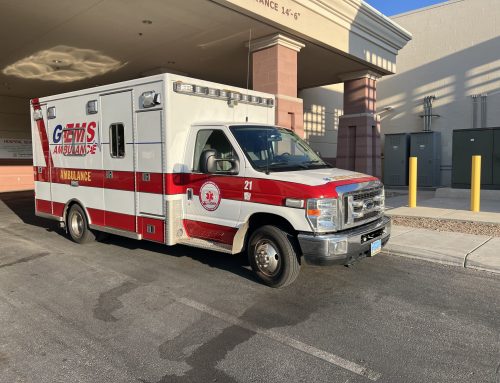
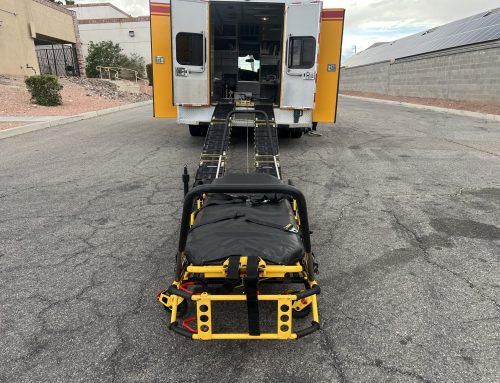
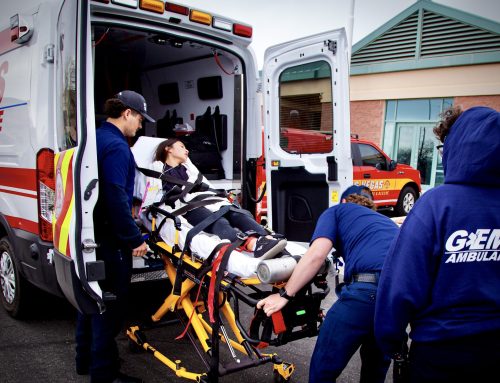
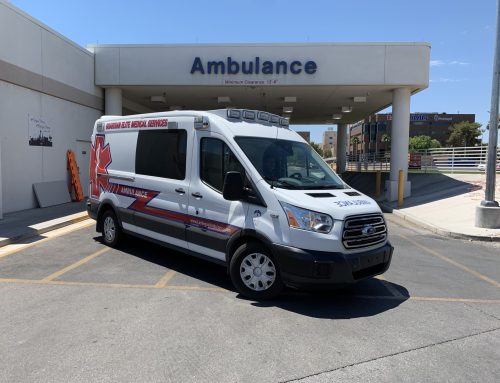
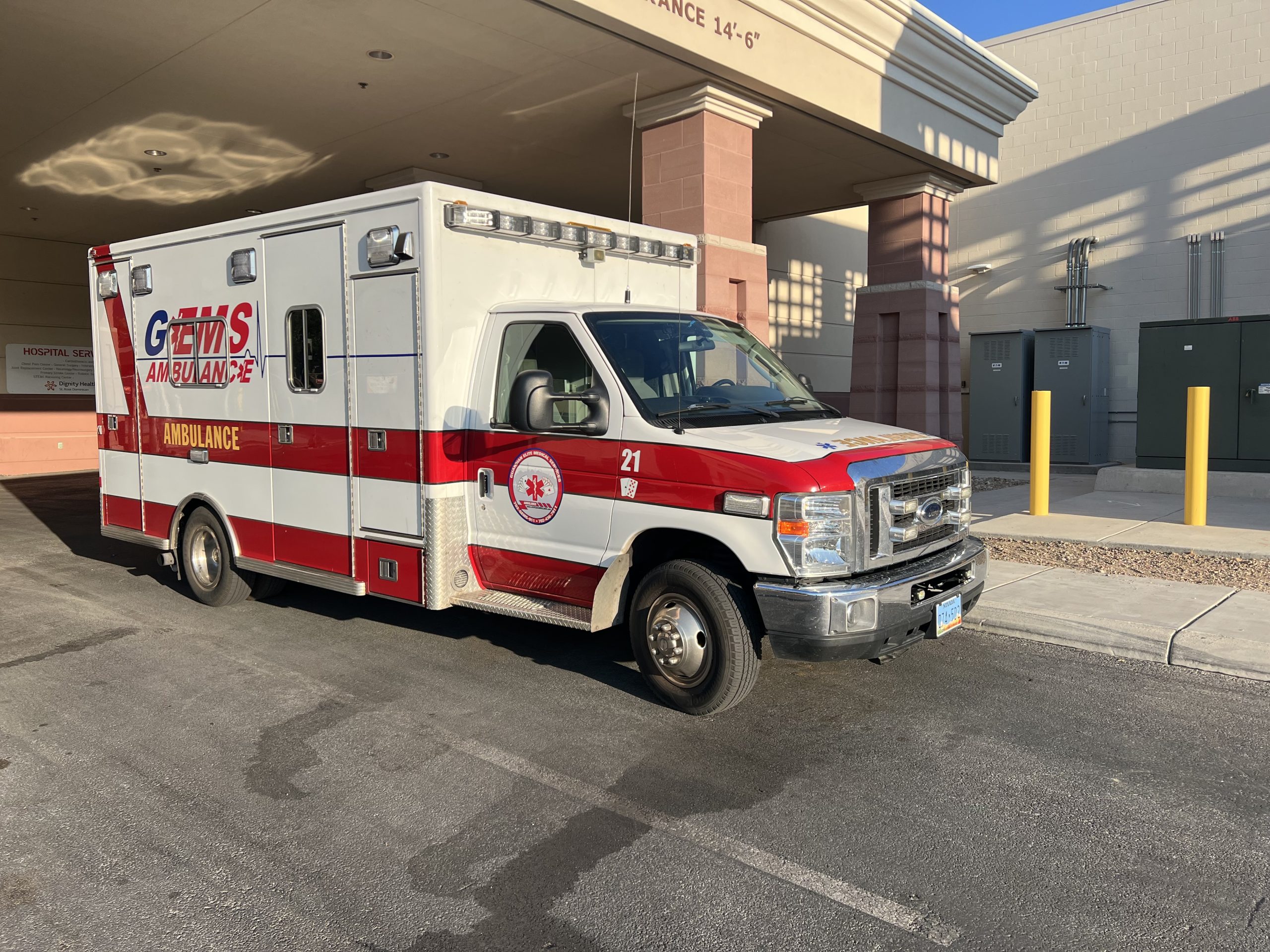
A standby ambulance is a fully equipped emergency vehicle staffed with licensed medical professionals and dedicated exclusively to the event. Standby ambulances are positioned on-site or nearby and are immediately available for patient transport if a serious emergency occurs.
They provide:
-
Rapid emergency response
-
Advanced life support when staffed by paramedics
-
Immediate transport to hospitals
-
Reduced reliance on public 911 resources
Standby ambulances are often required for higher-risk or large-scale events.
Key Differences at a Glance
| First Aid Station | Standby Ambulance |
|---|---|
| Treats minor issues | Handles serious emergencies |
| On-site care only | Provides hospital transport |
| Reduces minor disruptions | Ensures rapid evacuation |
| No transport capability | Full transport capability |
When You May Need One or Both
Many events benefit from using both services together. First aid stations manage routine medical needs, while standby ambulances remain available for urgent situations. This tiered approach improves response time, reduces unnecessary transports, and enhances overall safety.
Events with large crowds, alcohol service, physical activity, or extreme heat often require this combination.
Permitting and Liability Considerations
Local jurisdictions and venues may require standby ambulances or specific medical staffing as part of the event permitting process. Having the appropriate level of medical coverage helps demonstrate due diligence and reduces liability exposure.
How Guardian Elite Medical Services Can Help
Guardian Elite Medical Services works with event organizers throughout Las Vegas and Southern Nevada to design customized medical plans. Whether your event requires a first aid station, a standby ambulance, or a comprehensive multi-tiered setup, our team ensures your coverage meets safety standards and permitting requirements.
Choosing the right medical resources protects your guests, your staff, and your event — and helps everything run smoothly from start to finish.