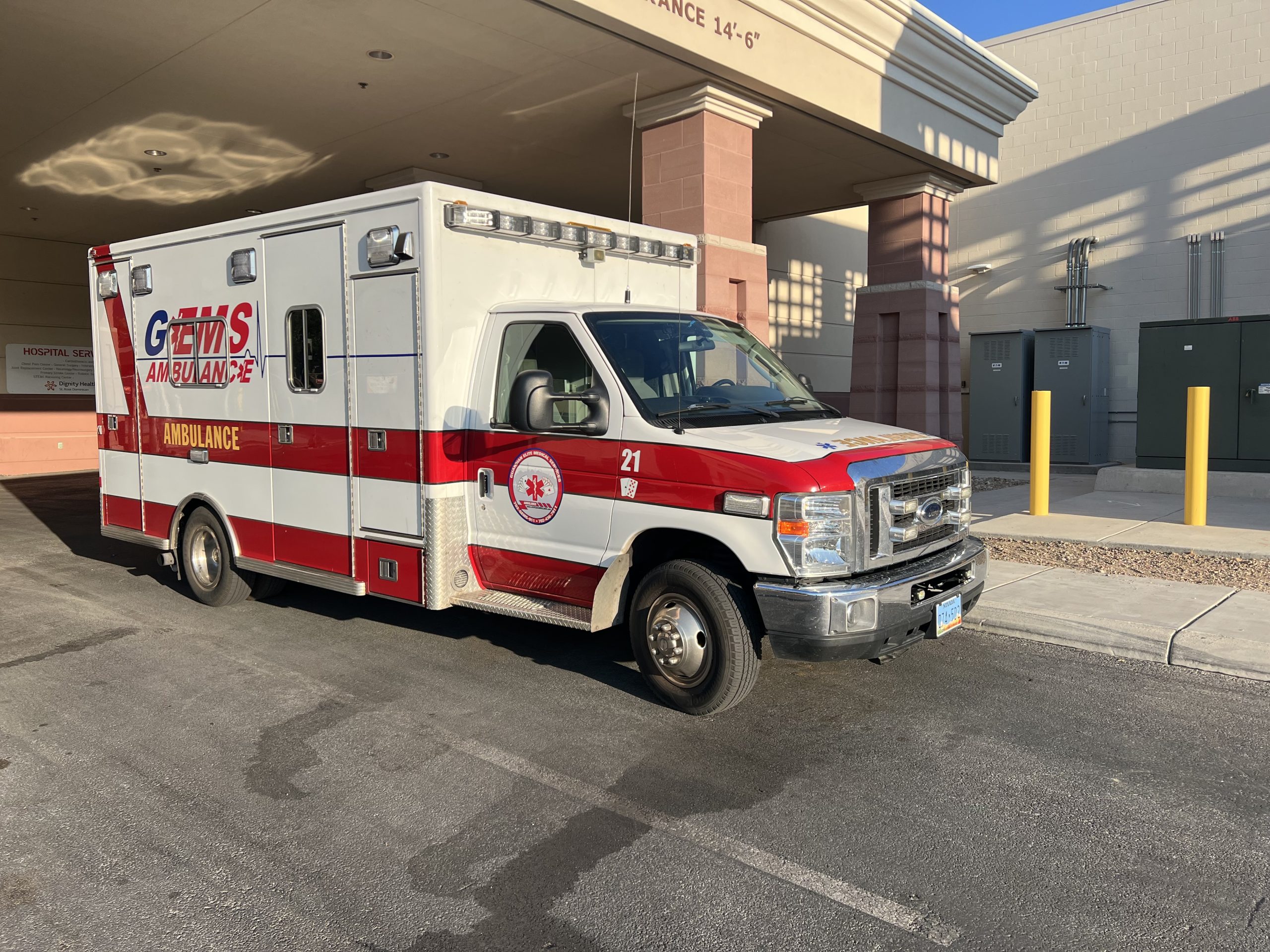
How EMS Supports Wildfire Operations
Wildfires place enormous strain on communities, first responders, and emergency infrastructure. While firefighters are often the most visible presence on the fire line, Emergency Medical Services (EMS) play a critical behind-the-scenes role in keeping operations running safely. From medical standby to emergency response and rehabilitation support, EMS is an essential component of wildfire operations.
Medical Support for Firefighters
Wildland firefighting is physically demanding and dangerous. Firefighters operate in extreme heat, rugged terrain, smoke exposure, and long operational periods. EMS teams provide immediate medical support for injuries, illness, and environmental exposure, allowing firefighters to receive rapid care without leaving the fire area.
Common medical issues treated by EMS during wildfire operations include:
-
Heat exhaustion and heat stroke
-
Dehydration
-
Smoke inhalation
-
Minor trauma and musculoskeletal injuries
-
Cardiac or respiratory emergencies
Early treatment helps prevent minor issues from becoming life-threatening emergencies.
Fire Camp Medical Coverage
During extended wildfire incidents, EMS personnel are often assigned to fire camps. These camps function as temporary operational bases housing firefighters, command staff, and support teams. EMS providers staff medical units within the camp, offering routine care, monitoring, and triage services.
Fire camp medical support reduces the need for unnecessary transports and keeps crews operational and rested.
Emergency Response and Transport
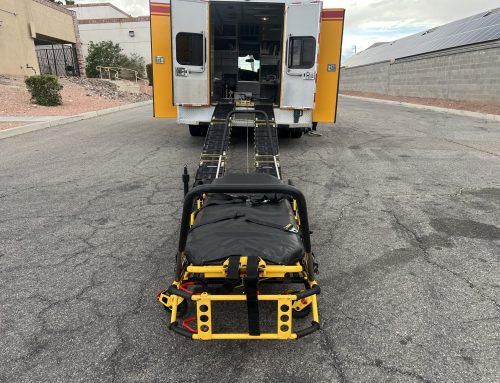
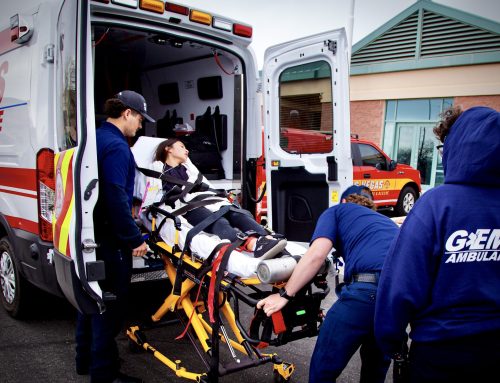
When serious injuries occur, EMS coordinates rapid response and transport. Ambulance teams work closely with incident command to access remote locations, establish landing zones when needed, and safely transport injured personnel to appropriate medical facilities.
EMS providers are trained to operate within the Incident Command System (ICS), ensuring seamless coordination with fire agencies, law enforcement, and air resources.
Rehabilitation and Responder Health
EMS also supports firefighter rehabilitation operations, commonly known as “rehab.” Rehab includes medical monitoring, hydration, cooling, and rest periods for crews working long shifts in high-heat environments. This proactive medical oversight significantly reduces injury rates and improves responder safety.
Support Through EERA Agreements
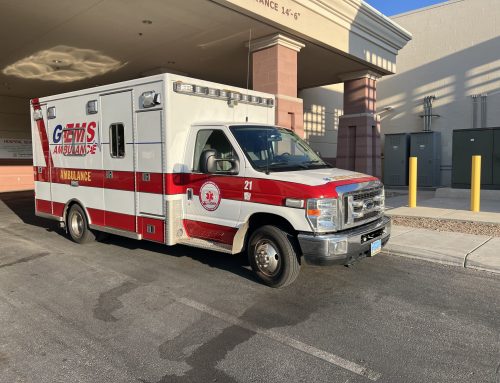
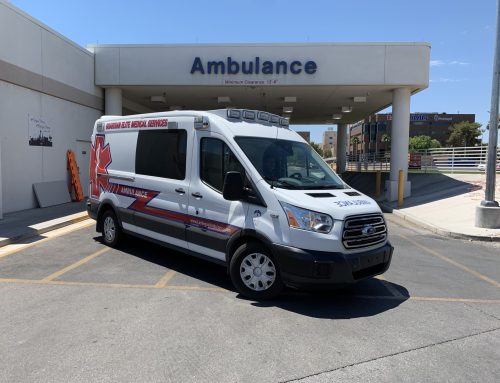
Many EMS agencies, including Guardian Elite Medical Services, operate under Emergency Equipment Rental Agreements (EERAs) that allow rapid deployment of ambulances, medical teams, and support units during wildfire incidents. These agreements ensure medical resources can be mobilized quickly when fires escalate.
Operating in Challenging Environments
Wildfire EMS operations require providers who are comfortable working in austere conditions. Limited access roads, heavy smoke, long transport times, and unpredictable fire behavior demand adaptability and strong situational awareness. EMS teams must be self-sufficient, flexible, and capable of supporting extended deployments.
Guardian Elite’s Role in Wildfire Response
Guardian Elite Medical Services has responded to dozens of wildfires throughout Nevada under EERA agreements. Our teams provide medical standby, fire camp coverage, rehab support, and emergency transport in remote and high-risk environments.
By working alongside fire agencies and incident command teams, Guardian Elite helps ensure firefighters remain healthy, protected, and able to continue their mission safely.
Wildfire response is a team effort. While fire crews battle the flames, EMS stands ready to care for those protecting our communities — every mile, every shift, and every deployment.