

When arranging ambulance transportation, you may hear terms like BLS, ALS, and CCT. While all three involve ambulance transport, the level of medical care provided during each type of transport is very different. Understanding these differences helps ensure patients receive the appropriate level of care while avoiding unnecessary costs or delays.
Basic Life Support (BLS)
Basic Life Support (BLS) transport is designed for patients who require medical monitoring and assistance but do not need advanced medical interventions during transport.
BLS ambulances are staffed by Emergency Medical Technicians (EMTs) who are trained to perform patient assessments, monitor vital signs, administer oxygen, assist with mobility, provide wound care, and respond to basic medical emergencies.
BLS transport is commonly used for:
-
Hospital discharges
-
Transfers to skilled nursing or rehabilitation facilities
-
Medical appointments
-
Non-emergency interfacility transfers
Patients transported by BLS are typically stable but unable to safely travel by private vehicle or wheelchair van.
Advanced Life Support (ALS)
Advanced Life Support (ALS) transport is required when a patient needs a higher level of medical monitoring or treatment during transport.
ALS ambulances are staffed by Paramedics trained in advanced airway management, cardiac monitoring, IV access, medication administration, and emergency interventions.
ALS transport is appropriate for patients with:
-
Cardiac conditions
-
Respiratory distress
-
IV medication infusions
-
Chest pain or abnormal heart rhythms
-
Conditions requiring continuous monitoring
ALS is often used for both emergency responses and interfacility transfers involving higher medical risk.
Critical Care Transport (CCT)
Critical Care Transport (CCT) is the highest level of ground ambulance care. It is designed for patients who require ICU-level monitoring and interventions during transport.
CCT units are staffed by Critical Care Paramedics and/or Registered Nurses with specialized training in managing complex medical conditions. These teams are capable of ventilator management, advanced medication drips, invasive monitoring, and continuous critical care throughout the transport.
CCT is commonly used for:
-
Ventilator-dependent patients
-
ICU to ICU transfers
-
Specialty care referrals
-
Long-distance critical transports
These patients require continuous advanced care comparable to a hospital critical care environment.
Choosing the Right Level of Transport
Selecting the appropriate transport level is essential for patient safety. Too little medical support can place a patient at risk, while higher levels of care may not be medically necessary.
Healthcare providers, discharge planners, and medical teams typically determine the appropriate transport level based on the patient’s condition, stability, and treatment needs at the time of transport.
How Guardian Elite Medical Services Can Help
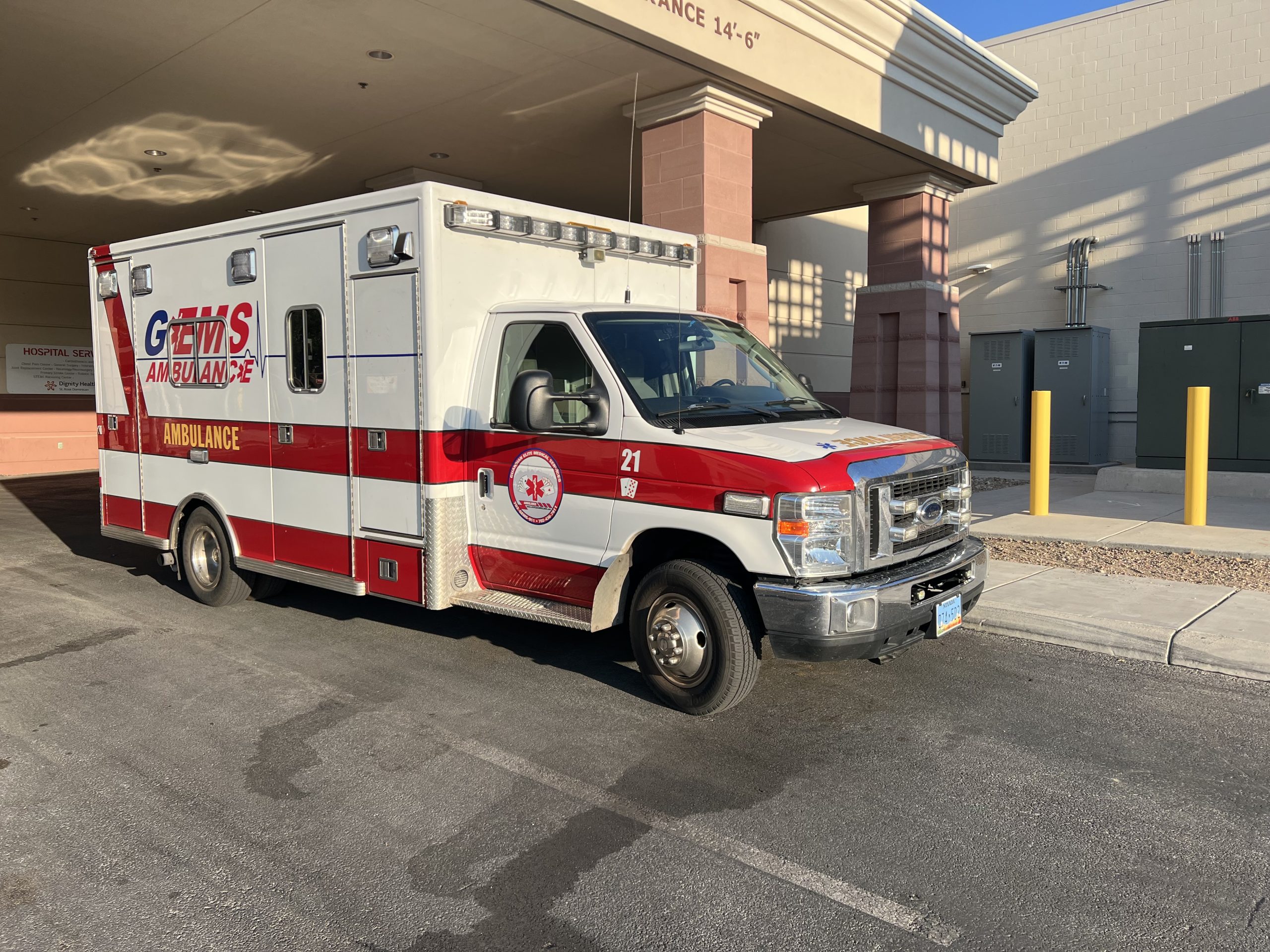
Guardian Elite Medical Services provides BLS, ALS, and Critical Care Transport throughout Las Vegas and Southern Nevada. Our team works closely with facilities, providers, and families to ensure each patient is transported with the correct level of care.
Whether arranging a routine discharge or a complex critical care transfer, our goal is simple — provide safe, professional, and compassionate medical transportation every mile of the way.



Leave A Comment