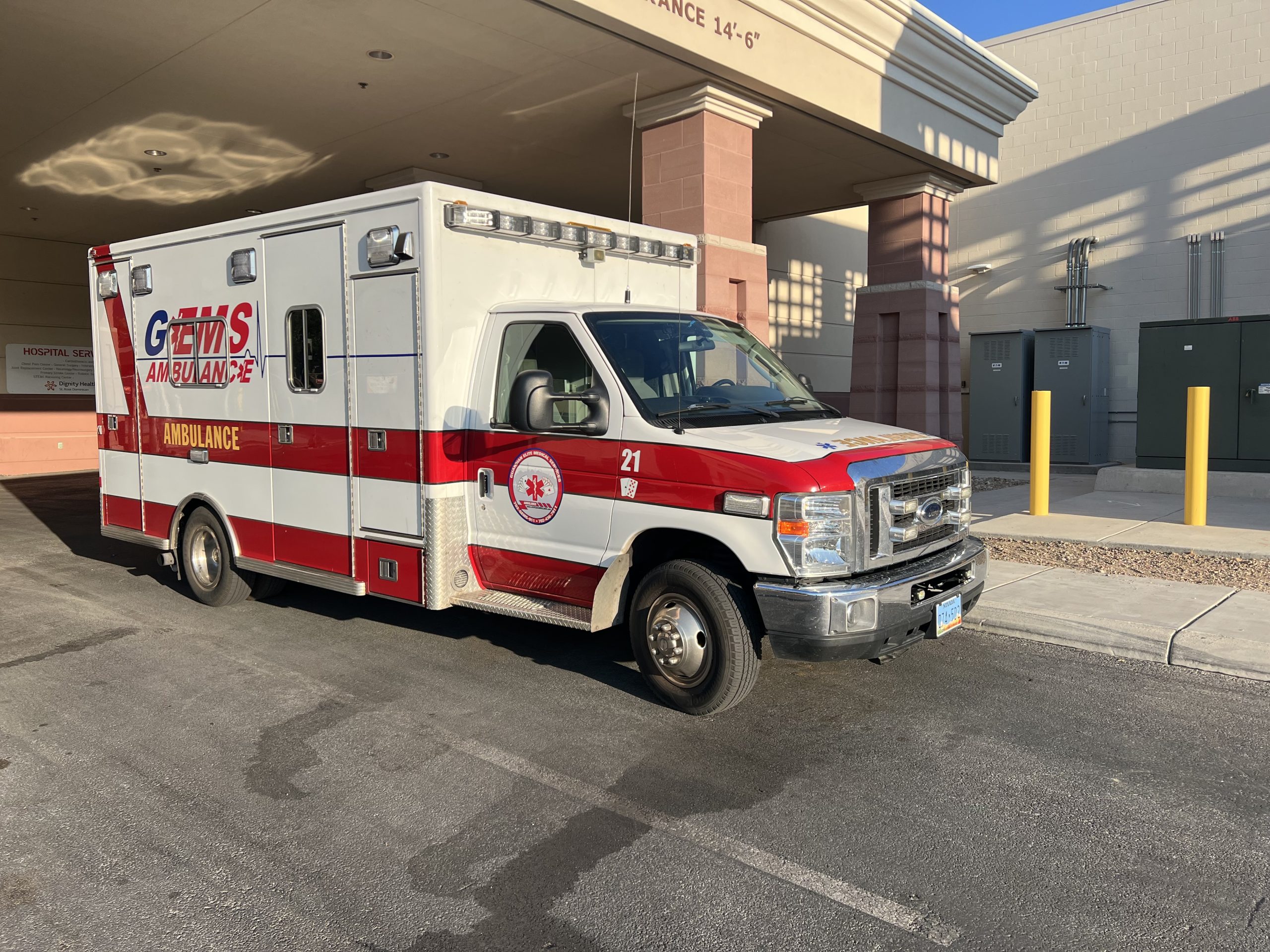
Ambulance Services in Las Vegas: What You Need to Know
When medical situations require safe transportation, professional ambulance services play a crucial role in ensuring patients receive the care they need — whether during emergencies or scheduled relocations. In Las Vegas and Southern Nevada, ambulance providers support hospitals, clinics, discharge planners, skilled nursing facilities, event organizers, and families by delivering reliable transport with trained medical teams.
In this article, we’ll explain what ambulance services are, when they’re needed, how they differ, and what options are available in Las Vegas.
What Are Ambulance Services?
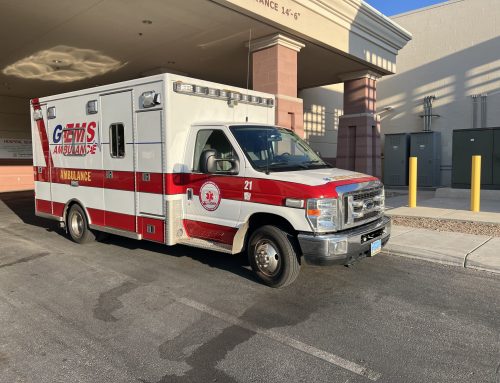
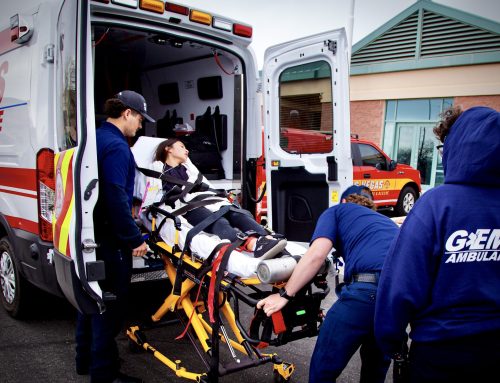
Ambulance services provide medically supported ground transportation for patients whose condition requires monitoring, intervention, or assistance during transit. These services are staffed by trained EMTs, Paramedics, or Critical Care clinicians who ensure patient safety while moving between healthcare settings, appointments, or emergency departments.
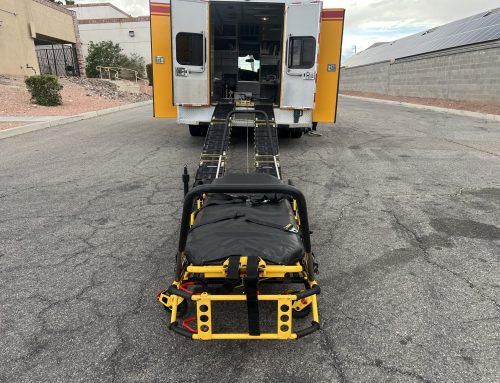
Ambulances are fully equipped with oxygen delivery systems, patient monitoring devices, and medical equipment tailored to the patient’s care level.
When Are Ambulance Services Needed?
Ambulance transportation may be necessary in both emergency and non-emergency situations:
Emergency Transports
-
911 responses for heart attacks, strokes, trauma, or sudden illness
-
Severe pain, difficulty breathing, or life-threatening injuries
-
Events where immediate medical intervention is required
In emergencies, ambulances provide rapid response and transport to the nearest appropriate facility.
Non-Emergency Transports
-
Hospital discharges to rehabilitation or skilled nursing facilities
-
Interfacility transfers for higher-level care
-
Specialty care appointments (e.g., dialysis)
-
Long-distance medical transport
-
Patients unable to safely travel by private vehicle
Non-emergency transports are typically scheduled in advance and may require a Physician Certification Statement (PCS) to document medical necessity.
Different Levels of Ambulance Transport
Understanding transport levels helps ensure patients receive appropriate care:
-
Basic Life Support (BLS) – Provided by EMTs for stable patients needing basic monitoring and assistance.
-
Advanced Life Support (ALS) – Delivered by Paramedics for patients requiring advanced medical intervention, cardiac monitoring, and medication administration.
-
Critical Care Transport (CCT) – The highest level of ground care for patients needing ICU-level support during transport, staffed by Critical Care Paramedics and nurses.
Each level corresponds to the patient’s clinical needs and ensures they receive the right care during the entire journey.
Ambulance Services in Special Situations
Las Vegas hosts large events, conventions, festivals, and sporting activities throughout the year. In these settings, private ambulance providers offer special event medical coverage, standby ambulances, first aid stations, and coordinated response teams that work alongside security and local public safety.
Additionally, ambulance services support wildfire deployments, disaster response missions, and public health operations — delivering clinical care in challenging environments.
Why Choose a Professional Ambulance Provider
Choosing a reputable ambulance service is crucial for safety, trust, and insurance compliance. A professional provider ensures:
-
Licensed and trained medical personnel
-
Proper documentation for insurance and medical necessity
-
Coordination with facilities and case managers
-
Compliance with state and local regulations
In emergencies, this coordination can make the difference in patient outcomes.
Ambulance Services in Las Vegas With Guardian Elite
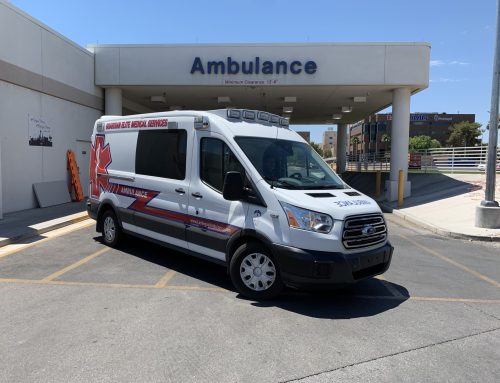
Guardian Elite Medical Services provides comprehensive ambulance transport throughout Las Vegas and Southern Nevada. Whether you need Basic Life Support, Advanced Life Support, Critical Care Transport, or medical standby support, our experienced teams deliver safe, compassionate care every mile of the way.
Our intake staff assists with scheduling, documentation, and medical necessity verification to help avoid delays and ensure seamless coordination with facilities and families.