

How to Schedule Non-Emergency Ambulance Transportation
Non-emergency ambulance transportation plays an important role in patient care when medical needs require monitoring or assistance during transport, but the situation does not require a 911 response. Knowing how to schedule non-emergency ambulance transportation can help prevent delays, reduce stress, and ensure patients arrive safely at their destination.
What Is Non-Emergency Ambulance Transportation?
Non-emergency ambulance transportation is used when a patient’s condition is stable but still requires medical care, monitoring, or stretcher transport during movement. These transports are typically scheduled in advance and may be covered by insurance when medical necessity is properly documented.
Common reasons include hospital discharges, transfers to skilled nursing or rehabilitation facilities, dialysis appointments, specialty care visits, or long-distance medical transport.
Step 1: Determine Medical Necessity
Before scheduling, a healthcare provider must determine whether ambulance transportation is medically necessary. This decision is based on the patient’s current condition, not convenience or preference.
Patients may require ambulance transport if they are bed-confined, require oxygen, need medical monitoring, cannot safely sit upright, or have cognitive or safety concerns during transport.
Step 2: Obtain a PCS Form
Most non-emergency ambulance transports billed to Medicare or insurance require a Physician Certification Statement (PCS) form. The PCS documents why ambulance transport is necessary and must be completed and signed by an authorized medical professional.
Having a completed PCS form before scheduling helps prevent delays and coverage issues.
Step 3: Gather Transport Information
When scheduling non-emergency ambulance transportation, be prepared to provide:
-
Patient name and date of birth
-
Pickup and destination addresses
-
Requested date and time of transport
-
Medical condition and care needs
-
Level of transport required (BLS, ALS, or Critical Care)
-
PCS form and supporting documentation
Providing accurate information helps ensure the correct crew and equipment are assigned.
Step 4: Contact the Ambulance Provider
Once documentation is ready, contact the ambulance provider to schedule the transport. Early scheduling is recommended, especially for long-distance or specialty transports.
A representative may review paperwork, confirm medical details, and discuss timing or availability before final confirmation.
Step 5: Day-of Transport Preparation
On the day of transport, ensure the patient is ready at the scheduled time, paperwork is complete, and facility staff or family members are available if needed. Delays in readiness can affect transport timing.
How Guardian Elite Medical Services Can Help
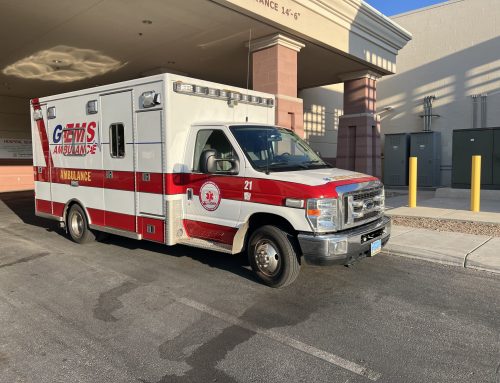
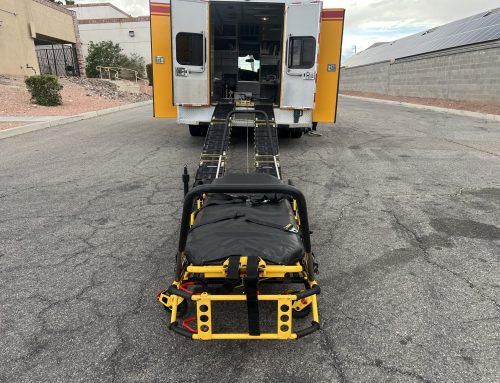
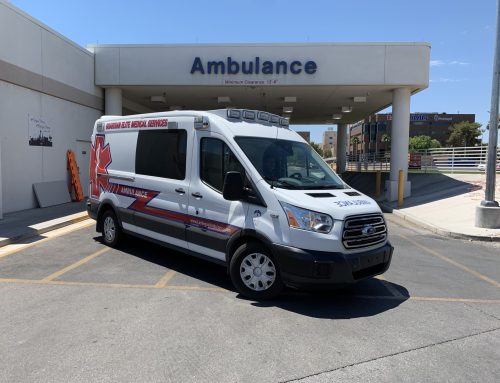
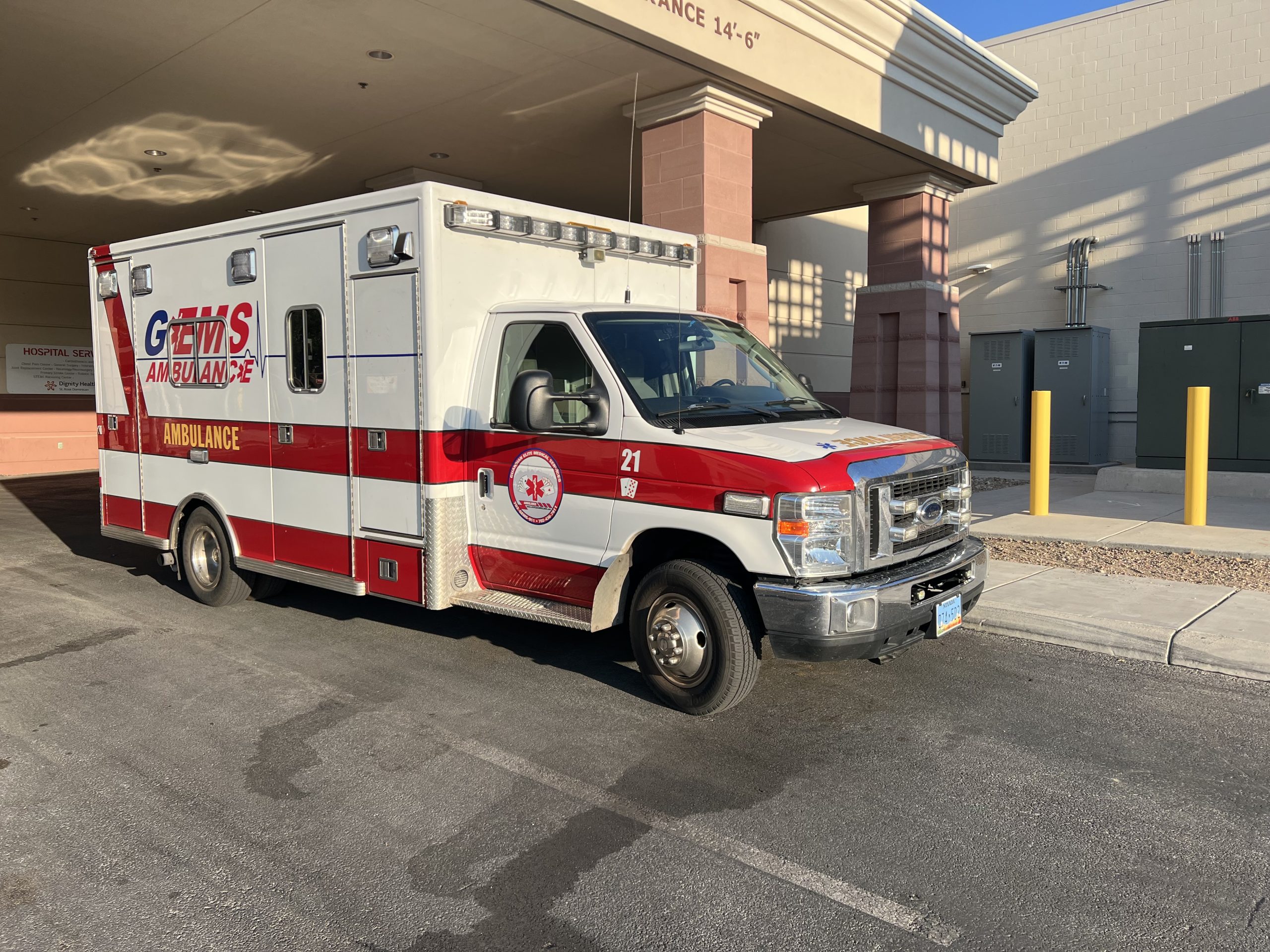
Guardian Elite Medical Services provides professional non-emergency ambulance transportation throughout Las Vegas and Southern Nevada. Our team works closely with hospitals, skilled nursing facilities, case managers, and families to coordinate scheduling, review PCS forms, and ensure smooth bedside-to-bedside transfers.
If you need assistance scheduling non-emergency ambulance transportation or have questions about medical necessity or documentation, our intake team is here to help guide you every step of the way.




Leave A Comment