

The Role of Ambulance Providers in Patient Flow
Patient flow is one of the most critical challenges facing hospitals and healthcare systems today. Emergency department overcrowding, delayed discharges, limited bed availability, and staffing shortages all contribute to bottlenecks that impact patient care and operational efficiency. While many factors influence patient movement, ambulance providers play a key — and often underappreciated — role in maintaining effective patient flow.
What Is Patient Flow?
Patient flow refers to the movement of patients through the healthcare system, from admission and treatment to discharge or transfer. Efficient patient flow ensures patients receive care in the right setting, at the right time, while reducing wait times, overcrowding, and unnecessary resource strain.
When patient flow slows, emergency departments back up, inpatient beds remain occupied, and new admissions are delayed — affecting the entire system.
Ambulance Providers as a Critical Link
Ambulance providers serve as the physical connection between healthcare facilities. Whether transporting patients from the emergency department to skilled nursing facilities, transferring patients to higher levels of care, or coordinating specialty referrals, EMS plays a vital role in ensuring patients move safely and efficiently.
Timely ambulance availability directly impacts how quickly a bed can be turned over and reassigned.
Supporting Safe and Timely Discharges
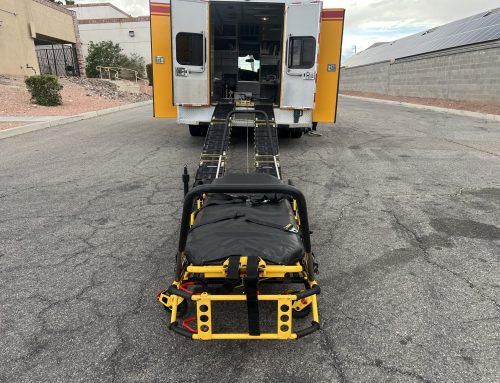
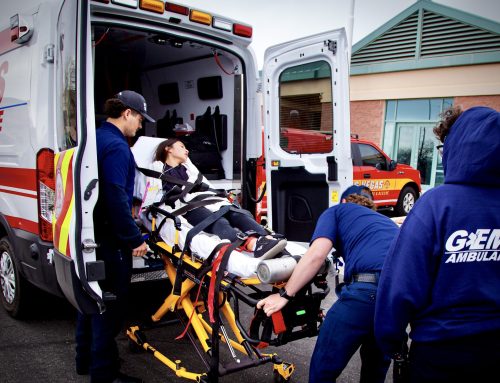
One of the most common patient flow challenges occurs during discharge. Patients who require stretcher transport, medical monitoring, or oxygen support cannot be discharged until transportation is secured.
Reliable ambulance providers help prevent discharge delays by offering predictable scheduling, documentation support, and communication between sending and receiving facilities. This allows hospitals to free beds sooner and improve throughput.
Facilitating Interfacility Transfers
Interfacility transfers are essential for moving patients to facilities capable of providing specialized care. Ambulance providers ensure continuity of care during these transitions by maintaining medical oversight, monitoring patient status, and communicating changes to receiving teams.
Efficient transfers reduce emergency department boarding and ensure patients receive appropriate care without unnecessary delays.
Reducing Emergency Department Overcrowding
When ambulance transport is delayed or unavailable, admitted patients may remain in the emergency department longer than necessary. This contributes to crowding, longer wait times, and reduced patient satisfaction.
Consistent EMS partnerships help hospitals manage surge periods, improve turnaround times, and maintain operational stability.
Communication and Coordination Matter
Strong ambulance partners do more than transport patients. They collaborate with case management, nursing staff, and discharge planners to identify barriers early — such as missing PCS forms, documentation gaps, or transport-level mismatches — before they delay patient movement.
This proactive approach improves efficiency and reduces last-minute complications.
How Guardian Elite Medical Services Supports Patient Flow
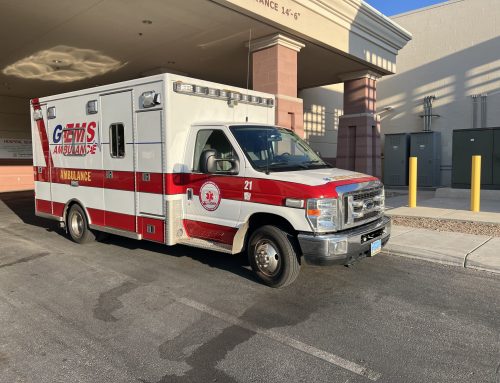
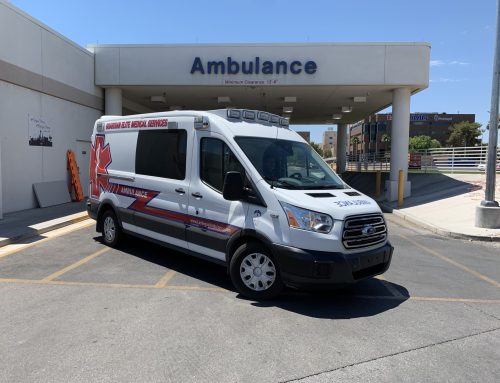
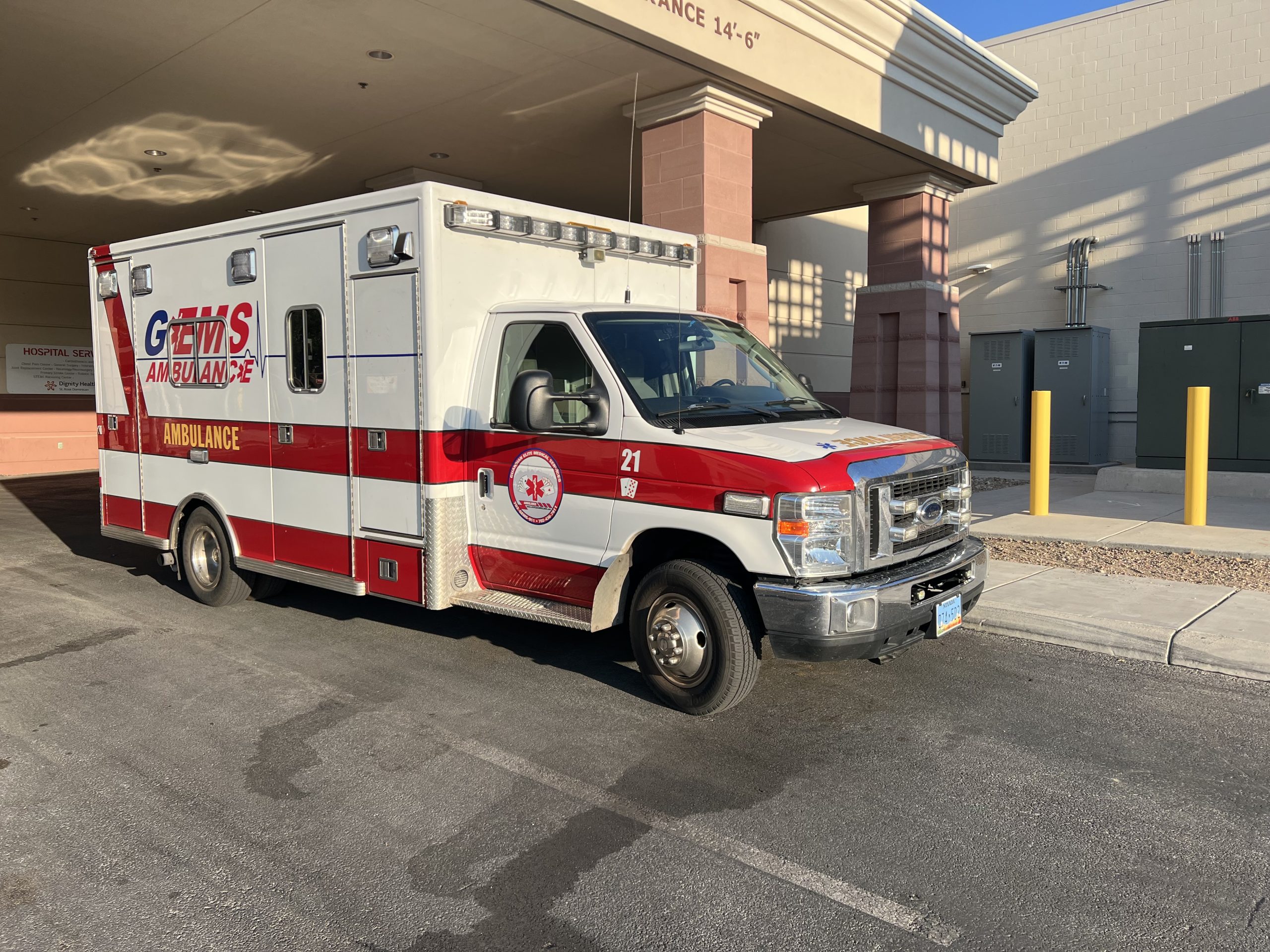
Guardian Elite Medical Services works closely with hospitals and healthcare partners throughout Southern Nevada to support safe, efficient patient movement. Through reliable scheduling, documentation assistance, and appropriate level-of-care transport, our team helps facilities maintain momentum and reduce discharge and transfer delays.
By functioning as an extension of the healthcare team, Guardian Elite plays an important role in improving patient flow — ensuring patients move where they need to go, when they need to get there.



Leave A Comment